Fabricant de fil tressé en aluminium
Maison / Des produits


 Voir plus
 Voir plus
 Voir plus
 Voir plus
 Voir plus
 Voir plus
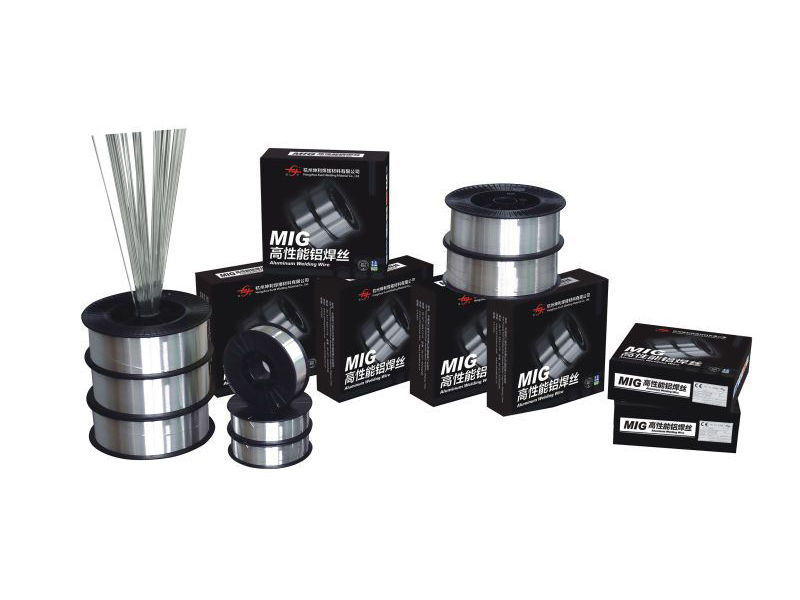 Voir plus
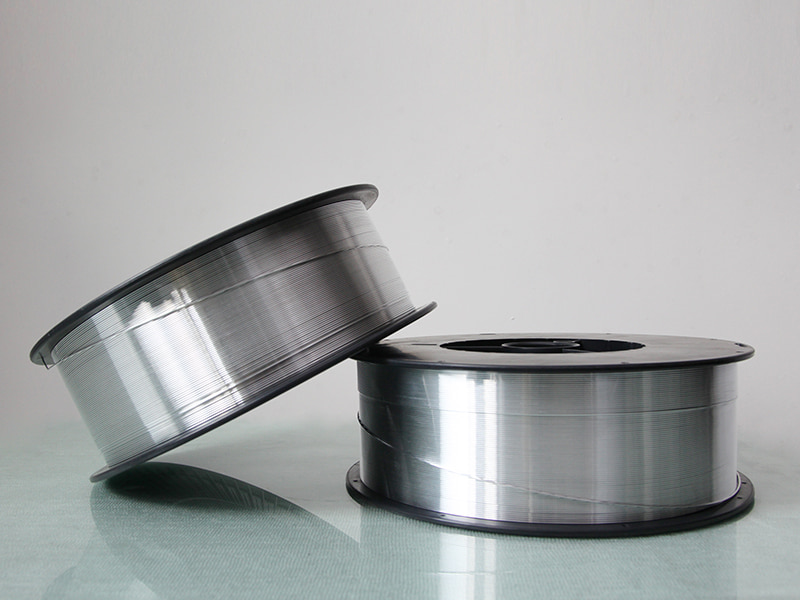 Voir plus
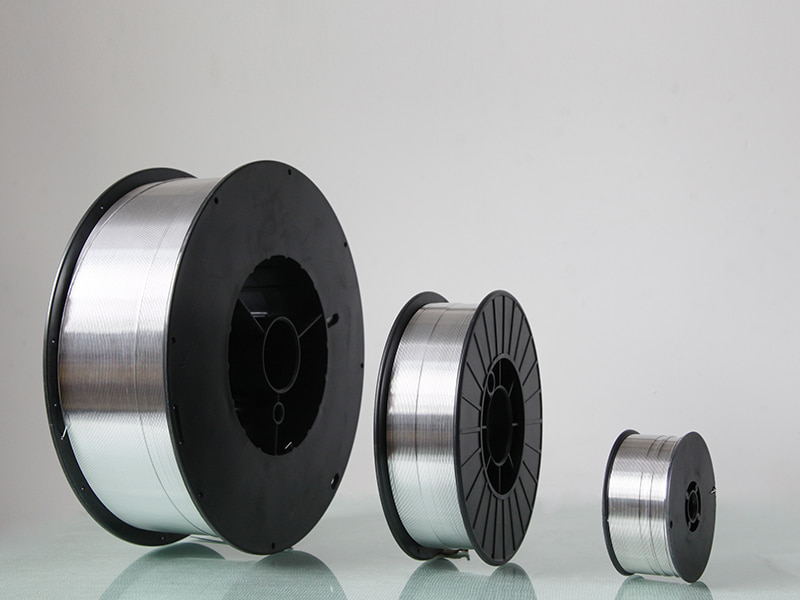 Voir plus
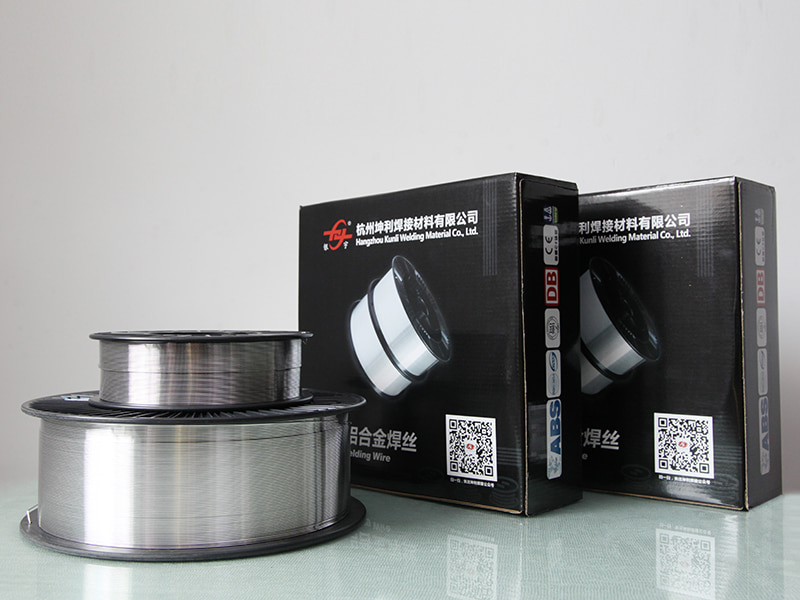 Voir plus
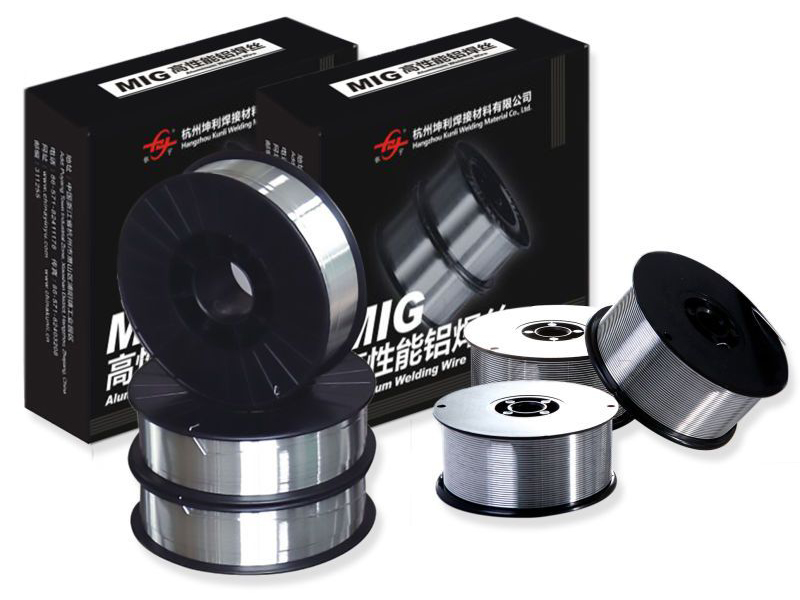 Voir plus
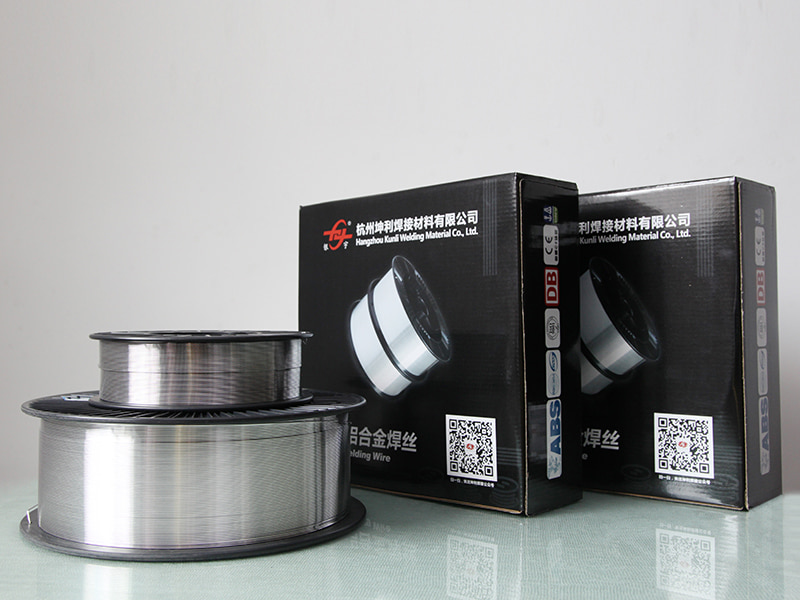 Voir plus

Aug 26, 2026
Aluminum welding looks pretty straightforward from a distance. The material's light, easy to shape, and shows up everywhere in structures where weight and corrosion actually matter to someone's bottom line. Pick the wrong welding wire, though, and the whole joining process can behave in ways nobody expected. Different aluminum alloys carry different compositions and different practical demands. A filler wire that performs beautifully on one job might fall flat on another entirely. That's exactly why welders and purchasing teams tend to look past the broad category of "aluminum welding wire" and dig into the specifics instead. ER5554 Welding Wire is one option that gets pulled out for particular aluminum jobs. Whether it actually fits comes down to the base material, joint design, service environment, welding process, and whatever characteristics the finished joint needs to have. Getting a handle on these factors makes wire selection a lot more deliberate. It also explains pretty clearly why aluminum welding can't just get treated as some one-size-fits-all process. Why Does Aluminum Alloy Selection Matter When Choosing Welding Wire? The base aluminum alloy ties directly into filler wire selection. The filler has to actually work with whatever material's being joined, rather than getting picked just because it's techni...
Aug 24, 2026
De loin, souder l'aluminium semble assez simple : alimenter le fil, amorcer l'arc, se déplacer le long du joint. Cependant, entrez dans un véritable atelier de production et vous remarquerez combien de petites variables façonnent discrètement le résultat. La préparation du matériau, les réglages de la machine, l'angle sous lequel vous travaillez, l'état du fil lui-même, même l'air de la pièce, tout cela joue un rôle. Le motif apparaît plus clairement lorsque le soudage devient répétitif. Une configuration qui fonctionne parfaitement sur une articulation peut se comporter complètement différemment en fonction du moment, de la géométrie de l'articulation ou des changements de posture de travail. S'appuyer sur une seule configuration fixe tient rarement le coup ; les opérateurs finissent par réagir à tout ce que le joint leur lance. Le choix du fil d’apport s’inscrit également dans cette image. Fil Mig en aluminium 5183 est sélectionné pour les travaux où ses propriétés correspondent à la qualité de l'aluminium et aux exigences du joint. Mais choisir le bon fil ne fait pas le travail en soi : la manière dont l'opération est configurée et gérée a toujours beaucoup de poids. Avoir une idée de la façon dont le fil et les conditions de travail interagissent tend à aider les équipes à détecter les problèmes p...
Aug 19, 2026
Un soudeur debout devant un banc, regardant trois bobines de fil d'aluminium qui semblent toutes presque identiques, sait exactement à quel point le choix du matériau de remplissage peut être déroutant sans le bon contexte. La fabrication de l’aluminium peut sembler simple de loin. Un joint est préparé, un matériau de remplissage est ajouté et deux pièces métalliques deviennent une structure reliée. En pratique, le choix du fil peut modifier la sensation du travail au chalumeau et le comportement réel du joint fini une fois refroidi et sous charge. Différents alliages d'aluminium réagissent différemment lors de la fabrication. Le matériau de base, la conception des joints, la méthode de soudage, l'état de la surface et l'utilisation prévue influencent tous le choix du matériau de remplissage d'une manière qui n'est pas toujours évidente au départ. Un fil qui convient à une application peut ne pas convenir à une autre posée sur la même étagère. C'est pourquoi le fil de soudage en aluminium doit être considéré comme faisant partie d'un processus de fabrication complet, et non comme un élément unique. Le choix ne consiste pas simplement à trouver un fil capable de fondre et de joindre l'aluminium sur le moment. Le mot «fil d'aluminium» peut également désigner des produits utilisés en dehors du soudage. Le ...
Aug 17, 2026
A welder stepping back from a finished aluminum joint, only to find pores scattered across the bead or a hairline crack running along the toe, knows that frustration all too well. Aluminum welding can turn genuinely frustrating when a finished joint shows pores, cracks, poor fusion, or an uneven bead after the work looked complete just minutes earlier. These problems aren't always caused by the welder alone, either. Filler selection, material condition, joint preparation, heat control, and shielding conditions can all shape the result in ways that aren't obvious until the joint's already cooled. 4943 Aluminum Welding Wire gets used in aluminum welding applications where filler selection is meant to support a stable, workable weld. Its characteristics can help address certain common welding concerns, particularly when the filler gets matched correctly with the base material and welding process in front of the welder. For manufacturers, fabricators, and maintenance teams, the important question isn't whether one filler can wipe out every welding defect on its own. It's how the filler contributes to reducing specific problems when the complete welding procedure is actually controlled properly from start to finish. Why Filler Metal Can Influence Welding Defects A filler metal becomes part of the finished weld itself, not just a ...

Jianpu Road no.2 Ville de Puyang District de Xiaoshan Hangzhou Zhejiang Chine 311255
+86-0571-82403878
+86-0571-82403208
rich@chinayinyu.com